By LEFOO | 20 July 2023 | 1 Comments
Internal structure of the RO booster pump
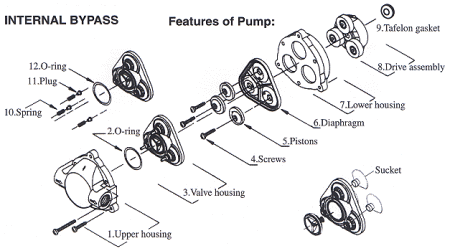
Upper housing
Upper housing — The plastic top cover helps split the liquid flow and provides cavity space pressure for the booster pump.
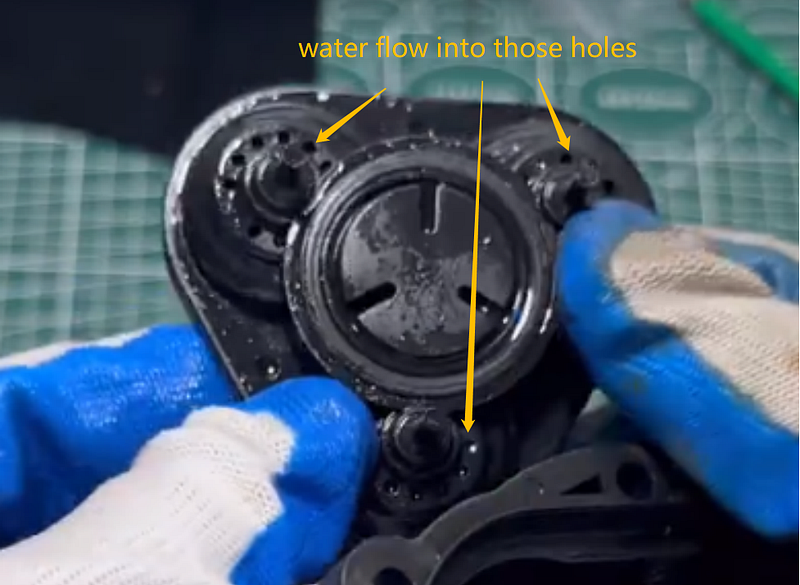
Valving housing — Serves as a filtering function.
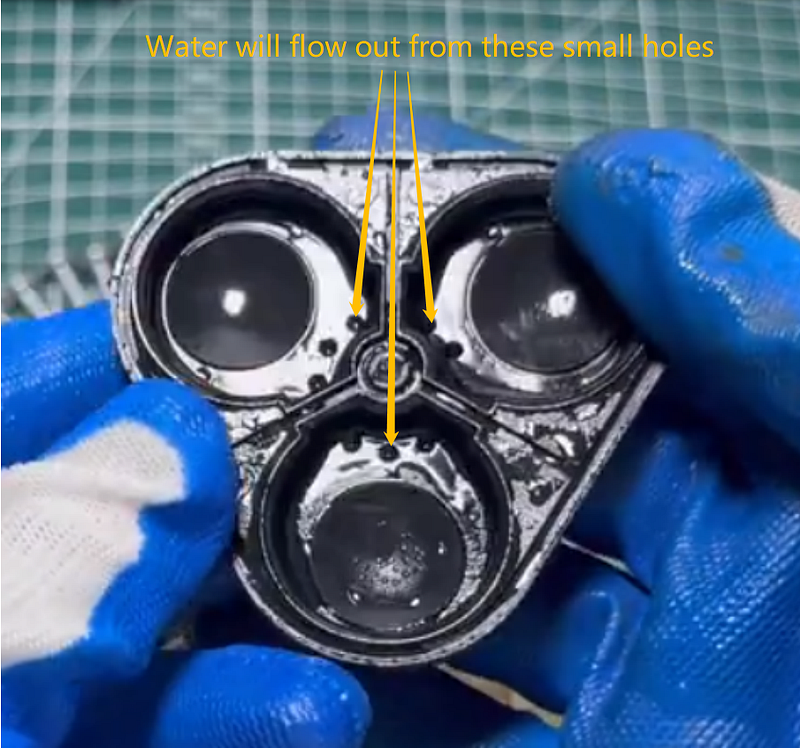
The valve housing between the layers serves a filtering function on the one hand, and generates negative pressure by vibrating with the motor on the other hand, to enhance suction to draw water into the pump cavity.
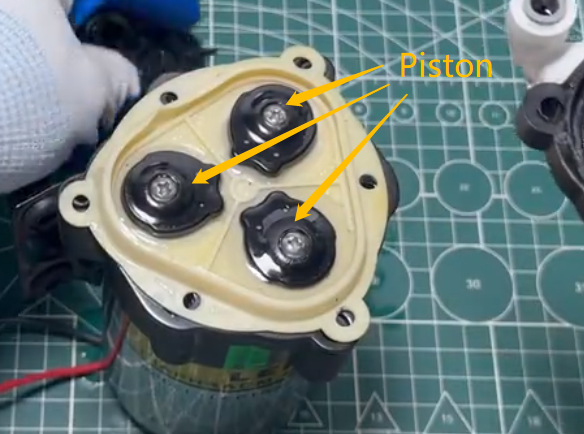
Secure the lower diaphragm and coordinate the up and down movement of the valve housing to generate negative pressure.
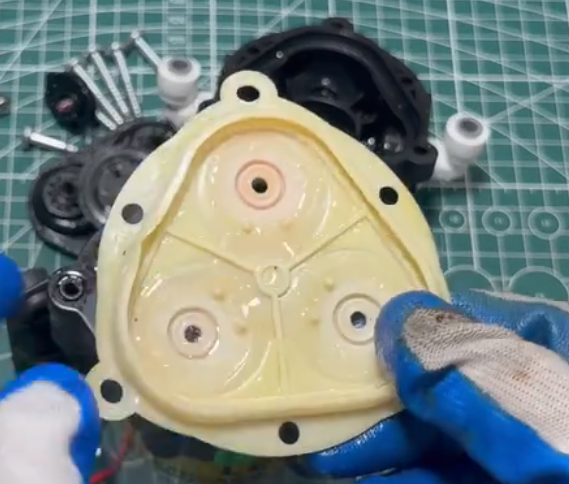
Diaphragm, used to isolate the motor and water, prevent water from entering the motor and causing motor damage.
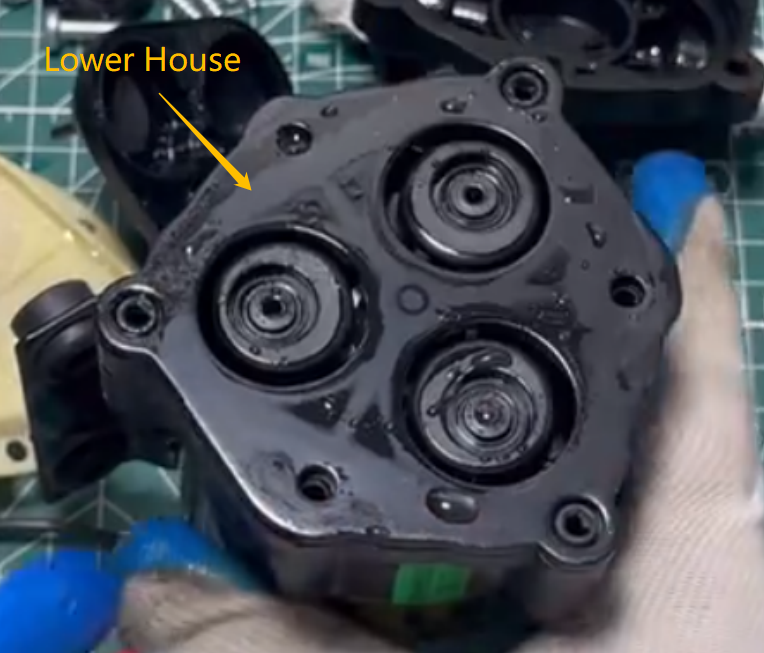
Lower House can seal the motor to prevent water from entering the motor cavity

The motor rotates to drive the Tafelon gasket, and the Tafelon gasket drives the three Drive Assemblies to move up and down. The up and down motion
For the internal structure of the RO booster pump, the key is the cooperation between the various components. The top cover, valve body, motor, diaphragm and other components coordinate with each other,
Using the motor to drive the piston movement to generate negative pressure, thereby achieving the water supply effect of the pump. Finally, the precise design and assembly of all the components together constitute an efficient and stable booster pump system. If you want to further understand the relevant content information about water Pressure pumps, you can click on the relevant links to learn.
The importance of RO booster pumps for beverage machines
Pump Selection Guide — 6 Key Professional Analysis Factors to Help You Find the Optimal Match
This is the reason why you need to use an RO booster pump.
Working Principle, Performance Characteristics and Maintenance Guide of RO Diaphragm Booster Pump
Installation tutorial for the Reverse Osmosis (RO) water purification system
Pump Selection Guide - 6 Key Professional Analysis Factors to Help You Find the Optimal Match
Recently Reviews
Read MoreLeave a Reply
Your email address will not be published.Required fields are marked. *